
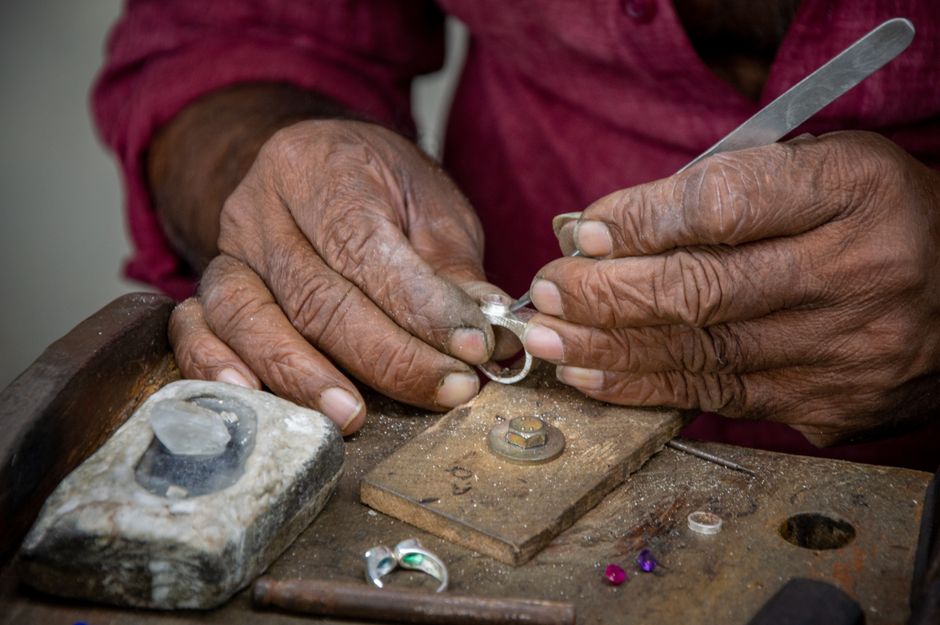
Why Stone Setting Technique Matters More Than You Think
When designing a piece of jewelry, most conversations start with the gemstone — its cut, color, and carat weight. But the setting technique you choose is just as critical. The right stone setting method affects durability, light performance, wearability, and ultimately the retail price of your finished piece. Whether you're an independent jewelry brand sourcing manufacturing in Bangkok or a designer working on your first collection, understanding the differences between prong, bezel, and channel settings will help you make smarter decisions before you ever send a file to a CAD designer.
Prong Setting: Maximum Brilliance, Minimal Metal
Prong setting — sometimes called claw setting — is arguably the most popular technique in fine jewelry, and for good reason. Metal claws (typically four or six) grip the girdle of the stone, holding it securely while exposing the maximum surface area to light. The result is exceptional brilliance and sparkle, which is why prong settings dominate engagement ring designs featuring round brilliant and princess-cut diamonds.
- Best for: Solitaire rings, engagement rings, diamond pendants
- Ideal stone shapes: Round, oval, pear, marquise, princess
- Key advantage: Allows maximum light entry for superior sparkle
- Watch out for: Prongs can catch on fabric and may require re-tipping over time
From a CAD design perspective, prong settings require precise modeling to ensure each claw is proportionally balanced and the stone seat is accurate. Even a small error in the seat depth can cause the stone to sit too high or too low — a costly mistake to fix post-casting.
Bezel Setting: Sleek, Modern, and Incredibly Secure
A bezel setting wraps a continuous rim of metal around the entire circumference of the stone. It's one of the oldest setting techniques in jewelry history and one of the most secure. Bezel-set stones are far less likely to chip or fall out, making this style ideal for everyday wear and active lifestyles.
- Best for: Everyday rings, men's jewelry, minimalist fine jewelry
- Ideal stone shapes: Round, cabochon, oval
- Key advantage: Maximum stone protection and a clean, contemporary look
- Watch out for: The metal rim reduces light exposure, which can slightly diminish a stone's brilliance
Bezel settings are also very popular in modern minimalist collections. If your brand leans toward clean lines and wearable luxury, a full or partial bezel design is worth discussing with your manufacturing partner during the CAD stage.
Channel Setting: Elegant Lines for Multi-Stone Designs
Channel setting places multiple stones side by side within a grooved metal track, with no metal between each stone. This creates a seamless, elegant row of gems that works beautifully in wedding bands, eternity rings, and bracelet designs. The stones are protected on the sides but still catch light from above.
- Best for: Wedding bands, eternity rings, tennis bracelets
- Ideal stone shapes: Round, princess, baguette
- Key advantage: Sleek, uninterrupted stone line with good everyday durability
- Watch out for: Requires very consistent stone sizing — even a 0.1mm variation can disrupt the flow
"Channel setting is one of the most technically demanding techniques in the workshop. Stone sizing consistency and precise channel depth are non-negotiable for a high-quality result." — JewelCAD Design Workshop Team
Practical Tips When Choosing Your Setting Style
Before finalizing your design, consider these questions with your manufacturing partner:
- Who is your end customer, and how will they wear the piece?
- What is the hardness of your chosen gemstone? (Softer stones like opals and emeralds do better in protective bezels.)
- What is your target price point? Channel and bezel settings can be more labor-intensive, affecting cost.
- Does your CAD file account for the correct stone seat depth and wall thickness for your chosen setting style?
At JewelCAD Design Ltd in Bangkok, we work closely with jewelry brands and designers at every stage — from initial CAD modeling through casting and finishing — to ensure your setting choice is executed flawlessly. Getting the setting right from the start saves time, money, and frustration down the line.
Ready to Start Your Next Collection?
Whether you're weighing up a prong-set engagement ring collection, a bezel-set minimalist line, or a channel-set eternity band, our team is here to help you bring your vision to life with precision manufacturing and expert CAD design. Contact us today to discuss your project.