
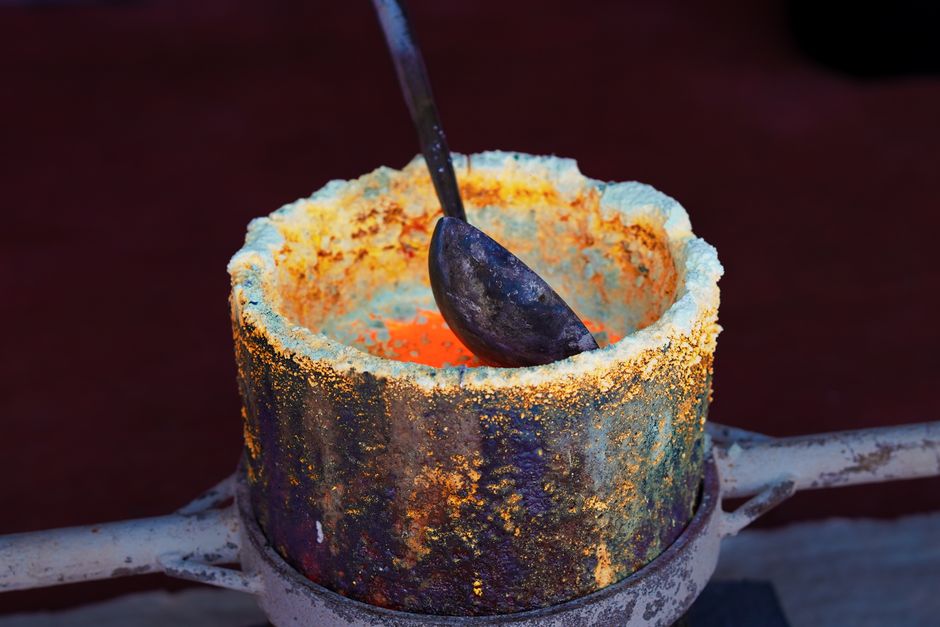
Why Metal Alloys Matter in Jewelry Manufacturing
When you're designing a jewelry collection — whether you're an independent brand launching your first line or an established retailer expanding your range — understanding metal alloys and karat weights isn't just technical knowledge. It's the foundation of every smart manufacturing decision you'll make. The metal you choose affects durability, color, price point, skin compatibility, and even how your piece behaves during the casting process.
At JewelCAD Design Ltd, we work with designers at every stage of their journey. One of the most common questions we receive from new clients is simply: "What's the difference between 18K and 14K gold, and which one should I use?" Let's break it all down.
What Is a Karat? Understanding Gold Purity
The karat system measures the purity of gold in a piece of jewelry. Pure gold is 24 karats, but pure gold is far too soft for everyday jewelry — it scratches, bends, and wears down quickly. This is why gold is always alloyed with other metals to improve its strength and workability.
- 24K Gold (99.9% pure): Beautiful, but impractical for most wearable jewelry. Used occasionally in investment pieces or certain cultural jewelry traditions.
- 22K Gold (91.7% pure): Popular in South Asian and Middle Eastern jewelry markets. Rich color, but still relatively soft.
- 18K Gold (75% pure): The sweet spot for fine jewelry. Excellent color, good durability, and a premium positioning in the market. This is our most requested alloy at JewelCAD Design Ltd.
- 14K Gold (58.3% pure): The standard for fashion-forward and everyday jewelry, especially popular in the US market. More durable than 18K and more affordable without sacrificing visual appeal.
- 10K Gold (41.7% pure): The minimum karat that can legally be sold as gold in many countries. Extremely durable and budget-friendly, ideal for high-volume fashion jewelry lines.
How Alloying Metals Change Color and Character
The metals blended with gold don't just affect purity — they transform the entire personality of the finished piece. This is where jewelry manufacturing gets genuinely exciting for designers.
- Yellow Gold: Alloyed with silver and copper to maintain its classic warm tone. The higher the karat, the richer the yellow hue.
- White Gold: Gold alloyed with palladium, nickel, or silver gives it a silvery appearance. Most white gold pieces are finished with rhodium plating for an ultra-bright, scratch-resistant surface.
- Rose Gold: The romantic pink tone comes from a higher copper content in the alloy. 18K rose gold typically contains 75% gold and 25% copper-silver blend. Rose gold has surged in popularity over the past decade and shows no signs of slowing down.
"Choosing the right alloy isn't just a technical decision — it's a brand decision. Your metal choice communicates quality, aesthetic, and price positioning to your customer before they even read your product description."
Silver and Platinum: The Other Essential Alloys
Gold isn't the only metal worth understanding. Sterling silver (92.5% pure silver) remains one of the most popular choices for fashion jewelry and artisan collections due to its affordability and workability. It's marked as 925 and performs beautifully in lost-wax casting — a core process we use daily in our Bangkok workshop.
Platinum, on the other hand, sits at the premium end of the spectrum. It's hypoallergenic, extremely durable, and naturally white without needing rhodium plating. Platinum jewelry is typically 95% pure and carries a significantly higher manufacturing cost, but for bridal and heirloom pieces, it's unmatched.
Practical Tips When Choosing Your Metal Alloy
- Consider your target market first. US consumers often prefer 14K; European and Asian markets lean toward 18K or 22K.
- Think about skin sensitivity. Nickel-based white gold alloys can cause reactions. If your brand targets sensitive skin customers, opt for palladium-based white gold or platinum.
- Match your alloy to your CAD design complexity. Intricate designs with fine details perform better in harder alloys that hold edges well during casting.
- Factor alloy cost into your pricing early. Metal spot prices fluctuate, and your alloy choice significantly impacts your cost of goods.
Partner With a Team That Knows Their Metals
At JewelCAD Design Ltd, our Bangkok-based team works closely with jewelry designers and brands to select the right alloy for every project — from initial CAD design through 3D printing, casting, and finishing. Whether you're producing a small artisan run or scaling a commercial collection, getting your metal specification right from the start saves time, money, and production headaches down the line.
Have questions about which alloy is right for your next collection? Reach out to our team — we're always happy to talk metal.