
Why Sustainability Is Now a Standard, Not a Trend
The jewelry industry has undergone a remarkable transformation over the past few years. In 2026, sustainability in jewelry manufacturing is no longer a marketing differentiator — it is a baseline expectation from consumers, retailers, and wholesale buyers alike. Whether you are an independent designer launching your first collection or an established brand scaling up production, understanding sustainable manufacturing practices is essential for long-term success.
At JewelCAD Design Ltd, we have seen firsthand how the demand for ethically produced, environmentally responsible jewelry has reshaped how workshops operate in Bangkok and across Southeast Asia. Here is what you need to know as you plan your next collection or search for a responsible manufacturing partner.
Recycled Metals and Responsible Sourcing
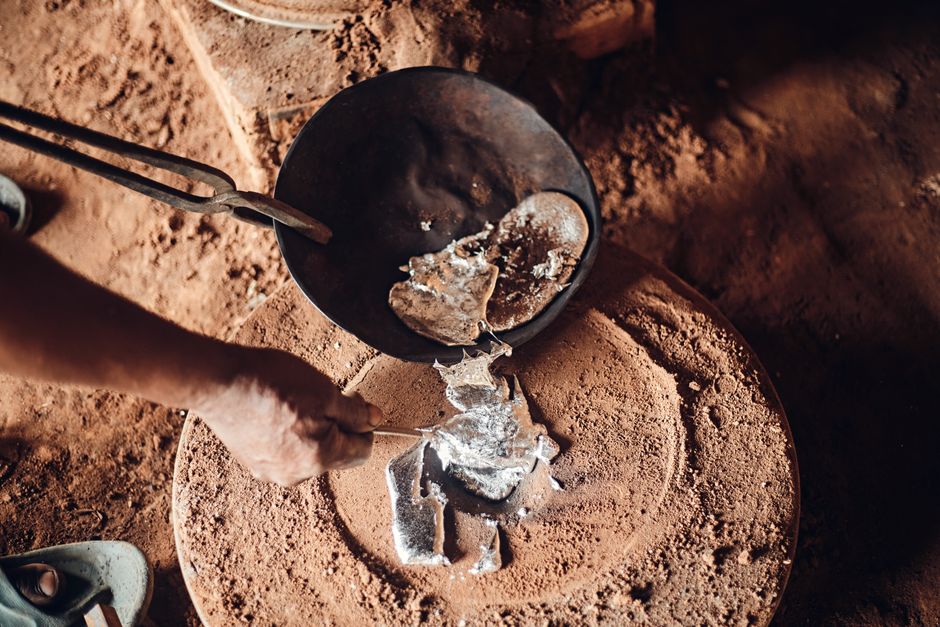
One of the most impactful steps any jewelry brand can take is choosing recycled precious metals. Recycled gold and silver require significantly less energy to refine than newly mined material and carry no new environmental extraction costs. Many certified recycled metals now come with full chain-of-custody documentation, making it easier to communicate provenance to your customers.
When working with a manufacturing partner, ask specifically about:
- Whether they use certified recycled gold, silver, or platinum
- Their relationships with ethically certified metal suppliers
- Documentation you can share with your retail buyers or end customers
- Options for lab-grown gemstones as alternatives to mined stones
These are not just ethical considerations — they are increasingly commercial ones. Many fine jewelry retailers in Europe, the United States, and Australia now require sustainability documentation before onboarding new suppliers.
How CAD Design Reduces Waste in Production
Precision CAD design is one of the most underappreciated tools in sustainable jewelry manufacturing. When a piece is engineered digitally using professional CAD software, every gram of metal is accounted for before casting begins. This dramatically reduces overuse of material, minimizes sprues and wasted alloy, and allows for design refinements without producing physical prototypes repeatedly.
At our Bangkok workshop, we use CAD modeling to help clients optimize their designs for casting efficiency. A ring that might have required 8 grams of gold with traditional bench methods can often be redesigned to achieve the same visual impact at 6 grams — reducing material costs and environmental footprint simultaneously.
"Good CAD design is not just about aesthetics. It is about engineering a piece that uses exactly what it needs — nothing more, nothing less."
3D Printing and Castable Resins: A Cleaner Path to Prototype
The shift toward high-resolution 3D printing using castable resins has significantly reduced the waste associated with traditional wax carving and prototype production. Modern resin printers produce detailed models with minimal material use, and the resins themselves have become increasingly cleaner-burning, leaving less ash residue during the lost-wax casting process.
This matters for manufacturers because a cleaner burnout means fewer impurities in the final cast piece, less post-casting finishing work, and reduced chemical use in the cleaning stages. For brands, it translates to faster sample turnaround and more accurate representations of the finished product before committing to a full production run.
Responsible Workshop Practices to Look For
If you are evaluating manufacturing partners for your jewelry line, here are practical questions to ask about their workshop practices:
- How do they handle and dispose of chemical polishing and plating solutions?
- Do they reclaim and recycle metal dust, filings, and sprues from the casting process?
- What energy sources power the workshop — and are there any efficiency initiatives in place?
- Can they provide any third-party certifications or audit records related to environmental practices?
A transparent manufacturer will welcome these questions. If a workshop is reluctant to discuss their processes, that itself is valuable information.
Building a Sustainable Brand Story That Sells
Beyond the production floor, sustainable jewelry manufacturing gives your brand a genuine story to tell. Today's consumers — particularly younger buyers — research the origins of their purchases. Brands that can clearly articulate how their jewelry is made, where the materials come from, and what standards their manufacturing partner upholds have a significant competitive advantage.
At JewelCAD Design Ltd, we work with independent designers and jewelry brands across Asia, Europe, and North America to produce collections that meet both creative and ethical standards. If you are ready to explore responsible manufacturing for your next project, we would love to start the conversation.