
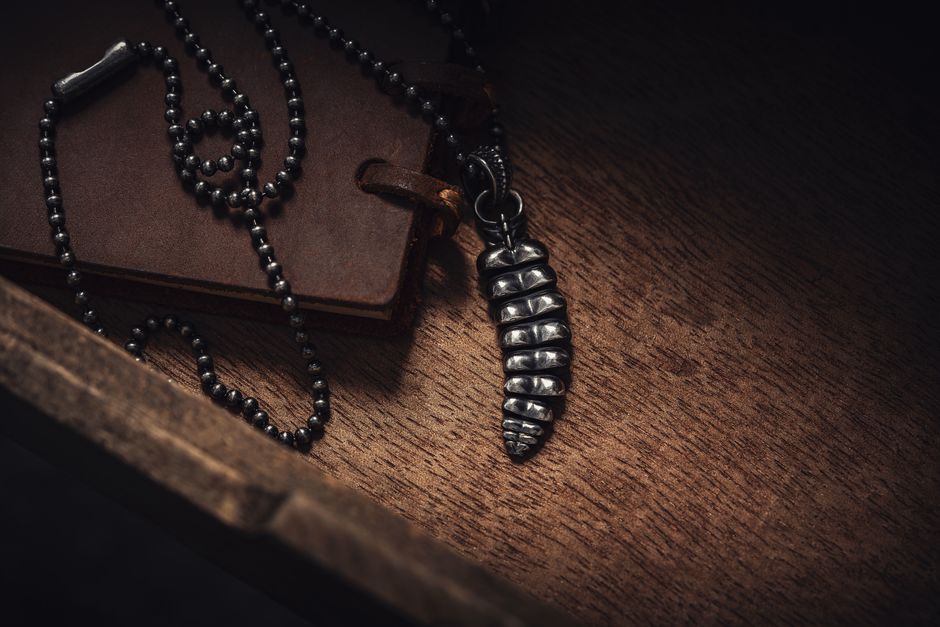
Why Jewelry Photography Can Make or Break Your Brand
You've spent weeks perfecting your design, worked with your manufacturing partner to get the casting just right, and polished every surface to a mirror finish. But if your jewelry portfolio photography doesn't do justice to that craftsmanship, potential buyers and retail partners will simply scroll past. Whether you're an independent jewelry brand, a designer presenting samples to buyers, or a retailer updating your e-commerce catalog, learning how to photograph jewelry professionally is one of the most valuable skills you can invest in.
Essential Equipment for Jewelry Product Photography
The good news is that you don't need a Hollywood studio to capture stunning jewelry shots. Here's what you'll need to get started:
- Camera: A DSLR or mirrorless camera gives you the most control, but a modern smartphone with a macro mode can produce excellent results for social media and portfolio presentations.
- Macro lens or close-up filter: Jewelry is small and intricate. A macro lens lets you capture fine details like stone settings, engraving, and surface textures that clients care about.
- Tripod: Even the steadiest hands introduce micro-blur when shooting close-up. A tripod is non-negotiable for sharp jewelry portfolio photography.
- White or neutral grey backdrop: Seamless paper or a simple white foam board creates a clean, professional look that keeps the focus on the piece itself.
- Diffused lighting: Harsh direct light creates blown-out hotspots on metal surfaces. Use a lightbox, softboxes, or diffuse natural light through a white curtain to keep reflections soft and even.
Lighting Techniques That Flatter Every Metal and Stone
Lighting is the single most important factor in jewelry photography. Different materials behave very differently under the same light source, so understanding how to adapt is key.
For gold and rose gold jewelry, warm diffused light enhances the richness of the metal. Try positioning a softbox slightly above and to one side to create gentle dimension without harsh shadows. For silver and white gold, cooler, more even lighting prevents the metal from looking flat or grey. A two-light setup with one light slightly stronger than the other adds depth.
When photographing gemstone jewelry, experiment with a small point light source positioned behind or beside the stone to trigger that coveted inner sparkle. This technique works beautifully for diamonds, sapphires, and rubies.
"The best jewelry photograph doesn't just show a product — it tells the story of the craftsmanship inside it."
Styling and Composition Tips for a Professional Portfolio
Once your lighting is dialed in, composition and styling elevate good photos into portfolio-worthy images.
- Use a jewelry display bust or hand model to show scale and wearability, especially for necklaces and rings.
- Shoot multiple angles — a top-down flat lay, a 45-degree angle shot, and a close-up detail image together give clients a complete picture of the piece.
- Keep props minimal and intentional. Natural elements like marble slabs, linen fabric, or dried botanicals complement jewelry without overpowering it.
- Shoot in RAW format if your camera allows — it gives you far more flexibility during editing to correct white balance and exposure without losing quality.
Editing: The Final Polish Your Photos Deserve
Even great raw photos benefit from light editing. Tools like Adobe Lightroom, Capture One, or even free apps like Snapseed allow you to fine-tune brightness, contrast, and color temperature. For jewelry, the most important adjustments are correcting white balance so metal tones look accurate, removing dust or fingerprints from the background, and sharpening fine details like prong settings or engraving.
Avoid over-editing. Heavy filters or excessive saturation can make your pieces look artificial and erode buyer trust — especially when clients are evaluating your work as a potential manufacturing or retail partner.
Ready to Manufacture the Pieces Your Portfolio Deserves?
Great photography starts with a great product. At JewelCAD Design Ltd in Bangkok, we help jewelry designers and independent brands bring their visions to life through precision CAD design, high-resolution 3D printing, and expert casting services. When your pieces are crafted to the highest standard, photographing them becomes effortless — the quality speaks for itself.
Contact our team today to discuss your next jewelry manufacturing project and see how Bangkok's jewelry production expertise can elevate your brand.